Doha [Qatar], October 28: Qatar Insurance (QIC) recorded a 14% year-on-year increase in insurance revenue to QR7.4bn for the first nine months of 2026, supported by growth across its domestic, regional and international portfolios, while gross written premium rose 9% to QR8.5bn.
The insurer reported a net profit of QR562mn for the nine months ended September 30, 2026, compared with the corresponding period last year. Net profit attributable to QIC shareholders stood at QR550mn, down 4% year on year, while earnings per share reached QR0.104.
The insurance service result declined 4.7% to QR336mn, reflecting claims and reserving related to the regional geopolitical conflict and higher claims costs.
Investment income increased 5.6% to QR749mn, including a one-off gain from the sale of 13.75% of the group's shareholding in Beema. Excluding this gain, investment income remained broadly stable year on year, as income from the fixed-income portfolio offset softer returns on regional equity holdings. The investment yield stood at 5.6%.
QIC said the conflict's impact on its insurance service result was narrower in percentage terms than at the half-year stage, while growth in premiums and investment income helped offset pressure on underwriting performance.
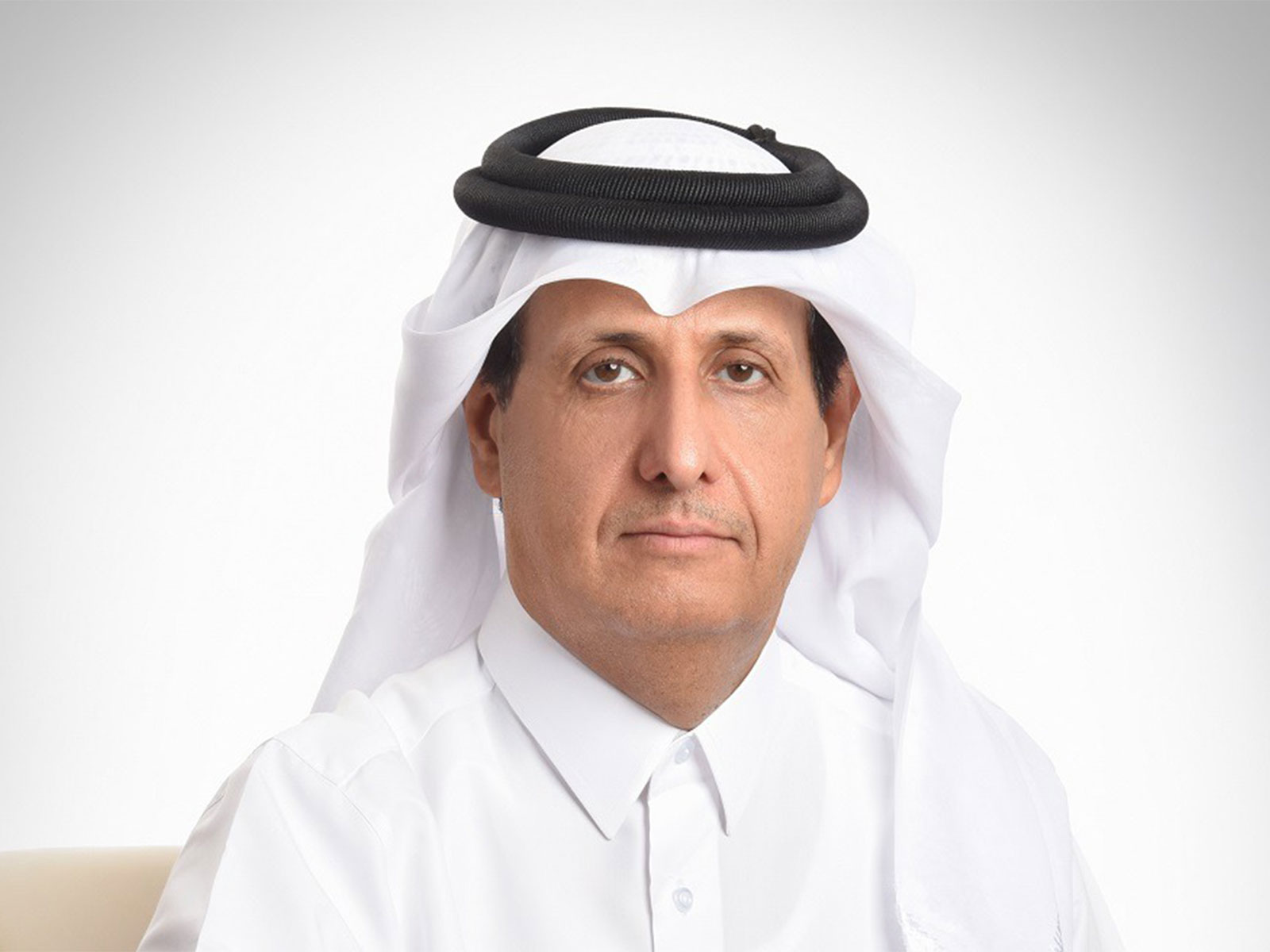
Commenting on the results, QIC Chairman Sheikh Hamad bin Faisal Al Thani said the group had sustained earnings, maintained its capital position and continued to pursue its strategic priorities during the nine-month period.
Group CEO Salem Al Mannai said disciplined underwriting and the investment portfolio had helped the company absorb the impact of the conflict and higher claims costs while continuing to grow insurance revenue, gross written premium and investment income.
He added that the group's exposures were adequately reserved on an actuarial best-estimate basis and that developments continued to be monitored.
The conflict's impact remained concentrated in QIC's international operations, principally in specialty insurance lines covering war, terrorism and political violence, as well as related marine classes. The group strengthened its reserves during the first nine months and continues to assess potential losses as claims develop.
QIC maintained its capital and solvency position during the period, supporting its financial-strength ratings and underwriting capacity amid geopolitical and market uncertainty.
On the business front, QIC continued to expand its digital ecosystem with the launch of QIC Market in the third quarter. Operated by its wholly owned subsidiary Anoud Technologies LLC, the car marketplace is accessible through the QIC App and qic.market. It brings vehicle buying and selling together through an AI-powered platform connecting customers with official dealerships and verified private sellers, alongside services including insurance, repairs and detailing.
The group also introduced a complimentary Driving Test Simulator on qic.online and an interactive Stories feature in the QIC App to promote insurance literacy. Its digital ecosystem was named Digital Insurance Initiative of the Year in Qatar at the Insurance Asia Awards 2026.
In September, QIC strengthened its partnership with Africa Speciality Risks (ASR) to expand its presence across Africa and developing markets. Its international specialty business also expanded its underwriting capabilities, with Antares Syndicate 1274 backing affirmative cyber war cover.
QIC concluded its 2026 summer internship programme, which included the first AI internship programme for university students in the regional insurance sector. Earlier in the year, Brand Finance upgraded QIC's brand rating to AA-. The group was also named Insurer of the Year for the Middle East and North Africa at the MENA II Awards 2026 and received the Digital Insurer of the Year and Best Insurance App awards in Qatar at The Asset Triple A Digital Finance Awards 2026.
The company said the global insurance market continued to face supply disruptions, softer reinsurance pricing and higher claims costs. Reinsurance pricing softened during the January and mid-year renewals, while pricing hardened in war-exposed specialty lines, including marine war, political violence and Gulf energy risks.
Source: Qatar Tribune