Doha [Qatar], October 28: The fourth edition of the Qatar Real Estate Forum 2026 opened on Tuesday at the Doha Exhibition and Convention Center (DECC), bringing together government officials, investors, developers, financial institutions and industry experts to explore investment opportunities, market stability and emerging trends shaping the future of the real estate sector in Qatar and the wider region.
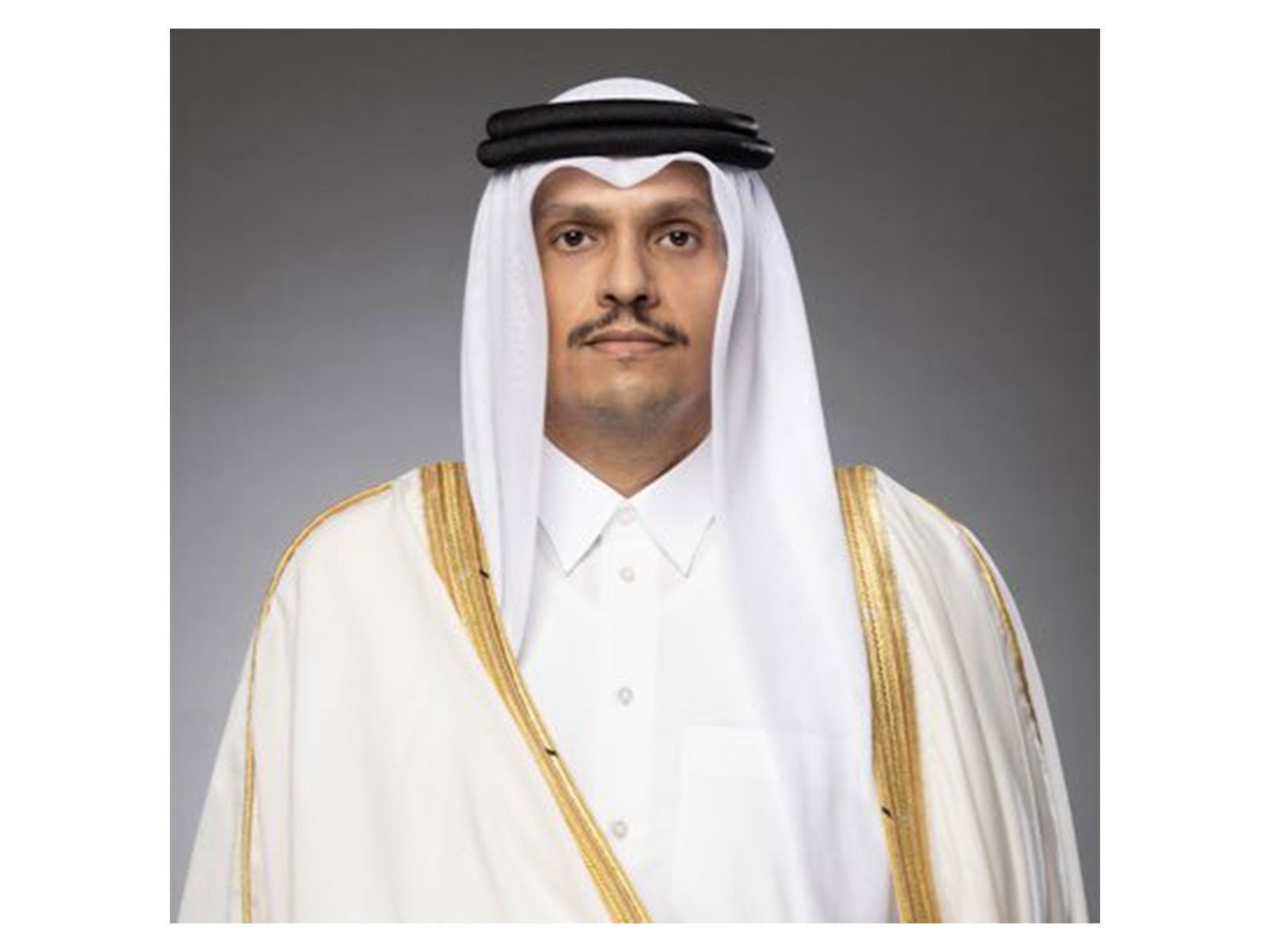
Running until October 29 in partnership with Cityscape Qatar, the three-day forum is being held under the patronage of Prime Minister and Minister of Foreign Affairs HE Sheikh Mohammed bin Abdulrahman bin Jassim Al Thani. Organised by the Real Estate Regulatory Authority (Aqarat) in partnership with Informa Tharawat, the event features more than 70 speakers and 60 exhibitors.
Held under the theme 'Stability as an Asset Class', the forum is examining the factors that underpin investor confidence, the evolution of real estate financing, the adoption of digital technologies, sustainability standards and the growing importance of quality of life in urban development.
The programme also addresses residential, commercial and mixed-use property investment, real estate investment trusts (REITs), digital asset tokenisation, property valuation, market data and the role of private capital in supporting economic diversification. Other key areas include artificial intelligence in urban planning, infrastructure development, governance and the long-term competitiveness of cities.
Aqarat President Mohammed bin Hassan Al Malki said the forum was taking place at an important stage in the development of Qatar's real estate sector, as efforts continue to build a market based on confidence, transparency and sustainable investment opportunities. He said Qatar was working to strengthen a real estate environment supported by sound regulatory and economic foundations, providing investors and developers with the clarity and confidence needed to pursue long-term opportunities.
Al Malki described the forum as a platform for government entities, investors, developers, experts and industry leaders to discuss developments shaping the sector, exchange expertise, showcase investment opportunities and establish partnerships that support sustainable growth.
He also highlighted the importance of holding the forum alongside Cityscape Qatar, noting that the partnership broadens participation and strengthens engagement among stakeholders across the local and international real estate ecosystem.
Mohammed Makki, Director of Real Estate Investment at Aqarat, said this year's programme had been designed to address the key questions investors consider before making investment decisions.
"The first day will focused on market stability and regulatory frameworks, while the second day will explore investment and financing instruments, ranging from real estate investment trusts (REITs) to real estate tokenisation. The third day will examine quality of life and the future of cities," Makki said.
"Our aim is to ensure that Qatar's real estate market provides investors with a stable environment and clear regulatory frameworks they can rely on," he added.
The first day's discussions focused on market stability, the regulatory environment and Qatar's position as a real estate investment destination. A session titled "Reading the Regional Landscape: The Future of Real Estate Investment" examines regional market trends and the opportunities emerging for investors and developers.
A fireside chat, "Stability Is a Strategy, Not a Coincidence", explores the role of regulatory and economic frameworks in maintaining market stability and supporting investment over the long term. A regional regulatory dialogue, "Building the Future of the GCC Real Estate Sector", considers changes across Gulf Cooperation Council markets and the opportunities they present for the regional real estate industry.
The programme also examines the contribution of private capital and property development to economic diversification. The session "Private Capital and National Vision: How Developers and Investors in Qatar Contribute to Economic Diversification" discusses how investment and development activity can support broader economic objectives.
Investor confidence is another central theme, with the session "Developers Behind the Nation's Skyline: A Dialogue on Investor Confidence" exploring the relationship between development activity, market appeal and the long-term sustainability of projects.
Sustainability and governance feature prominently in the discussions. Under the title "The Green Premium: ESG Standards and the Investment Case for Real Estate in Qatar", participants examine how environmental, social and governance (ESG) standards influence project development, investment value and the future of the sector.
The discussion also covers green buildings, resource efficiency and the growing role of sustainable practices in shaping real estate investment decisions.
Quality of life is addressed through a keynote session titled "Cities That Hold Their Value: Quality of Life as an Investment Strategy", which examines how liveability, urban services and the overall experience of a city can influence the appeal and value of real estate projects.
The first day's Main Stage programme concludes with "Qatar as a Lifestyle Destination: Redefining Retail and Hospitality", focusing on changing lifestyles and consumption patterns and the role of retail and hospitality in strengthening Qatar's appeal as a place to live, work and invest.
The second day will turn to investment strategies, financing mechanisms and market intelligence. It will open with a fireside chat and presentation titled "Property Valuation and Market Data: What Investors Need to Know?", highlighting the importance of reliable data and property valuations in assessing market conditions and making informed investment decisions.
A session on "Diversifying Investment Portfolios: Residential, Commercial and Mixed-Use Real Estate Strategies" will examine how investors can allocate capital across different property segments, while "Investing at Scale: Opportunities and Challenges for Institutional Investors and High-Net-Worth Individuals" will consider investment strategies and the challenges associated with managing large portfolios.
The programme will also explore how REITs can broaden access to real estate investment in Qatar. These investment vehicles allow investors to gain exposure to property assets through a structured investment model, offering an alternative to direct property ownership.
Digital transformation will be another major focus, with the session "Digital Asset Tokenization: The New Frontier of Real Estate Investment" examining the potential of digital technologies to introduce new investment models and expand participation in property markets.
A separate fireside chat will discuss exit mechanisms and strategies for realising returns from real estate investments, while "First Steps: Opportunities and Challenges for New and Small-Scale Investors" will consider the opportunities available to new market participants and the practical challenges they may face.
The third and final day will focus on liveability, urban development, infrastructure and the social factors that contribute to the long-term appeal of cities and property markets.
A fireside chat and presentation titled "Healthy Real Estate: The Investment Case for Health-Centred Development" will examine the integration of health and wellbeing considerations into real estate projects and their implications for investment value.
The session "The Livable City, Reimagined: The Everyday Impact of AI in Qatar" will explore how artificial intelligence and smart technologies can support urban development, improve services and enhance residents' everyday experiences.
Another discussion, "Live, Work, Play and Thrive: Why Should Qatar Be Your Next Destination?", will highlight Qatar's appeal as a destination for living, employment and investment, with attention to the factors that contribute to an attractive and sustainable urban environment.
Infrastructure and essential services will be addressed in "Infrastructure Essentials: Healthcare, Education and Connectivity", which will examine how access to healthcare, education, transport and other services supports urban growth and strengthens the appeal of residential communities.
The forum will also explore the social foundations of successful neighbourhoods through "Family, Safety and Community: The Social Foundations of Qatar's Neighbourhoods". The session will focus on planning and designing communities that meet family needs while promoting safety, social cohesion and quality of life.
Long-term urban planning will be discussed in "Planning for Growth: Qatar's Long-Term Urban Development Strategy", which will examine future growth prospects, development priorities and the importance of coordinated planning in guiding urban expansion. The legislative framework governing property ownership and management will also receive attention, with a dedicated session on "Qatar's New Owners' Associations Law: What Owners and Developers Need to Know?"
The discussion will address key provisions and practical considerations arising from the new law, with a focus on issues affecting property owners, developers and the management of jointly owned buildings. It will also highlight the importance of clear rules and effective governance in improving property management and strengthening confidence among market participants.
Beyond the Main Stage, the forum features an Innovation Stage bringing together developers, investors, architects, real estate brokers, financial experts, technology leaders and other industry professionals to examine new ideas, investment approaches and innovations shaping Qatar's real estate market.
The platform will host panel discussions, case studies, specialised sessions and live demonstrations, offering participants practical market insights and opportunities to exchange knowledge on emerging trends, projects and technologies.
Interactive workshops will complement the main programme, providing participants with opportunities to explore practical issues affecting different areas of the real estate sector. The workshops will take place separately from the Innovation Stage on the first floor of DECC.
Designed to encourage the exchange of professional knowledge and experience, the workshops will address challenges and opportunities facing the industry and help participants explore the practical application of the forum's key themes. Advance registration will be available, and participants will receive certificates of participation.
By combining strategic discussions, investment-focused sessions, technology showcases and practical workshops, the Qatar Real Estate Forum aims to bring together stakeholders from across the real estate value chain and encourage collaboration on the sector's future development.
The forum will conclude on October 29 after three days of discussions covering investment, financing, regulation, sustainability, digital innovation, urban planning and quality of life, reflecting the increasingly broad range of factors influencing real estate markets and investment decisions in Qatar and the wider region.
Source: Qatar Tribune