Mohit Bansal Highlights Responsible AI and Infrastructure Readiness at TiE Chandigarh AI Summit
VMPL
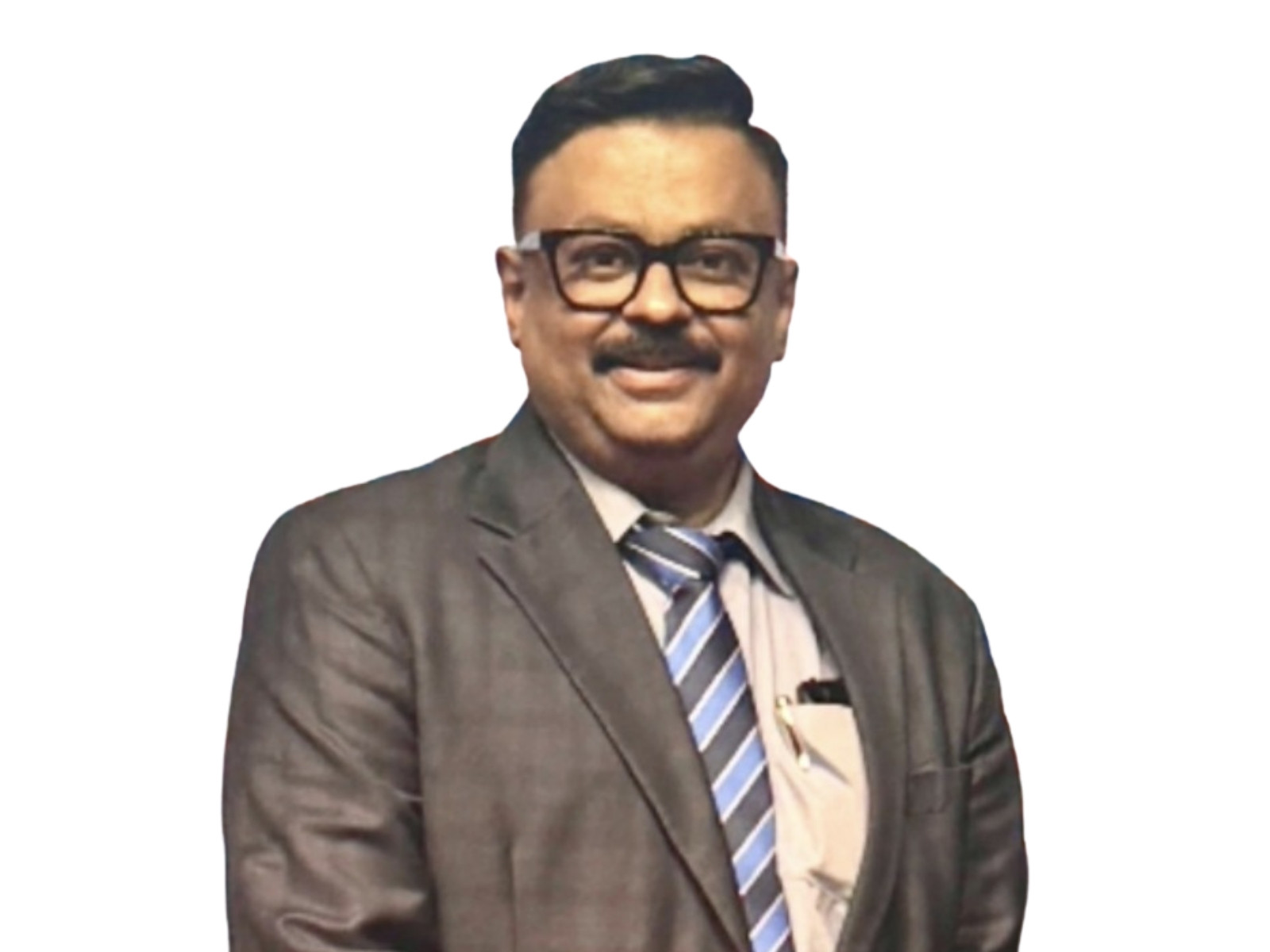
Chandigarh [India], February 12: Entrepreneur and infrastructure leader Mohit Bansal, CEO of GMI Infra and founder of Mind Sci, underscored the importance of public leadership, institutional capacity, and realistic deployment of technology while speaking at the TiE Chandigarh AI Summit on "AI for Smart Cities."
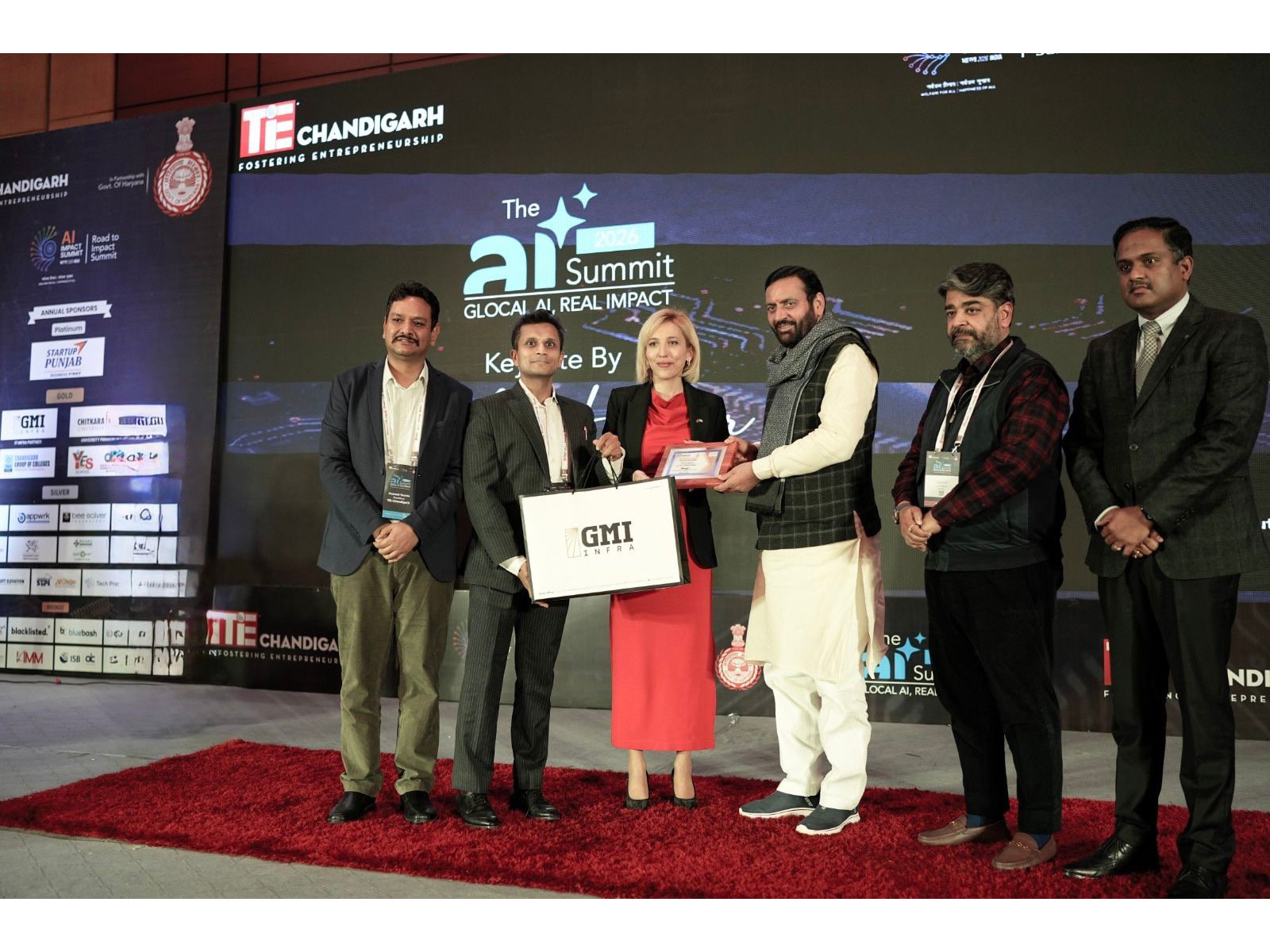
The Summit brought together policymakers, technologists, and global stakeholders, including the Honourable Chief Minister of Haryana, Sh. Nayab Singh Saini Ji, and Ms Alba Smeriglio, British Deputy High Commissioner to India, fostering dialogue on the future of urban development in India.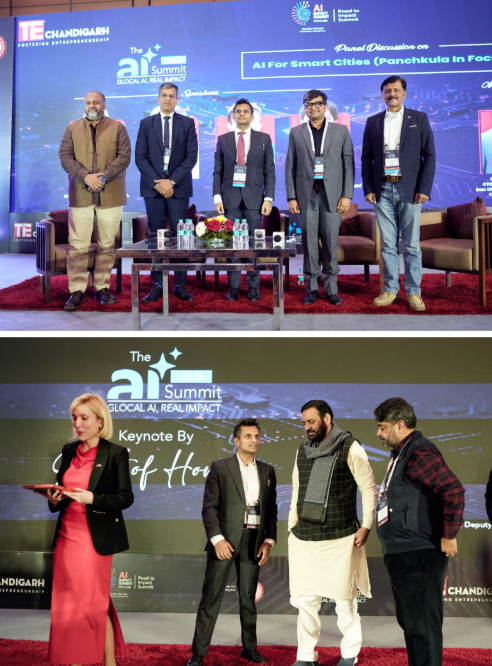
Addressing the gathering, Bansal cautioned against viewing cities purely as technological challenges. "Cities are living systems, not software problems waiting to be solved," he said, emphasising that artificial intelligence can deliver meaningful outcomes only when aligned with on-ground infrastructure readiness, governance capacity, and human behaviour.
Bansal noted that while AI dashboards, sensors, and data platforms attract attention, long-term success in urban transformation depends on foundational elements such as power reliability, land-use planning, institutional coordination, and resilient physical infrastructure. He highlighted that technology becomes effective only when it respects the realities of urban ecosystems.
This philosophy, he explained, was central to the founding of Mind Sci, an initiative aimed at bridging the gap between AI capabilities and real-world infrastructure execution. "Cities don't fail because of lack of ambition," Bansal observed. "They fail when vision runs ahead of execution or when digital layers are built without physical resilience beneath them."
The Summit featured discussions around practical challenges facing Tier-2 and Tier-3 cities, including what AI solutions are realistically deployable in the next 18-24 months, and where patience, standards, and institutional maturity are more critical than speed.
Bansal also acknowledged the importance of global engagement and public trust in shaping India's urban future. He said forums such as TiE Chandigarh acquire relevance not for their scale, but for enabling honest conversations between public leadership, international perspectives, and practitioners without exaggeration or performative consensus.
Speaking on Haryana's growth trajectory, Bansal said the state is well positioned to emerge as an IT and innovation hub of North India. At GMI Infra, he stated, the focus remains on developing IT Parks, Business Parks, and Free Trade Zones designed for durability and long-term economic value rather than short-term gains. "Economic hubs are not built in quarters; they are built through patience, clarity, and partnerships that endure," he added.
Expressing gratitude to TiE Chandigarh and the Government of Haryana, Bansal commended their commitment to engaging with ideas that prioritise institutional depth and long-term impact over immediate outcomes.
Concluding his remarks, Bansal said that for AI to genuinely make cities smarter, it must first make them more dependable, inclusive, and humane, reinforcing the need for responsible innovation in India's urban transformation journey.
(ADVERTORIAL DISCLAIMER: The above press release has been provided by VMPL. ANI will not be responsible in any way for the content of the same.)