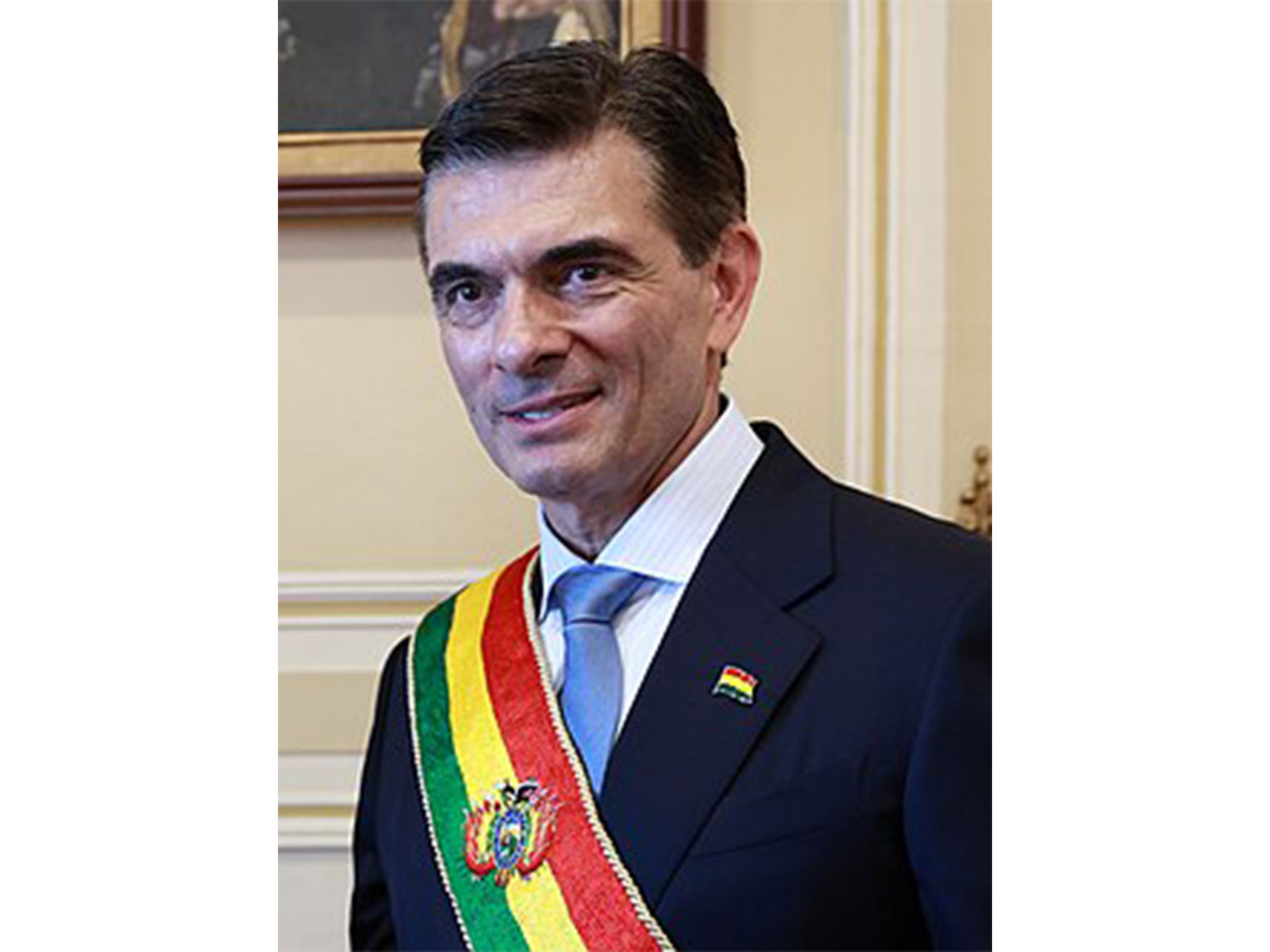
La Paz [Bolivia], November 2: Bolivian President Rodrigo Paz declared a state of emergency on October 31 to mobilize additional resources to respond to drought and flooding caused by the El Niño phenomenon, according to AFP. The decree also allows for the reinforcement of rescue forces in heavily affected areas.
"This will be a phenomenon causing very serious impacts in terms of drought and flooding, requiring coordination from all agencies," Paz emphasized. According to a Bolivian government report, the drought is affecting approximately 78,000 households in 6 out of 9 provinces of the country, and has also caused losses of more than 75,000 livestock.
El Niño is a phenomenon characterized by unusually high sea surface temperatures in the central and eastern equatorial Pacific Ocean, altering atmospheric circulation and rainfall patterns in many parts of the world. Last week, the UN warned that the current El Niño could reach "unprecedented" intensity, causing serious impacts in Latin America, East and Southern Africa, as well as the Asia-Pacific region, according to AFP.
In South America, Peru experienced heatwaves and wildfires that killed at least 12 people. Meanwhile, Chile's capital, Santiago, saw its heaviest rainfall ever recorded in October. In the Pacific region, a severe drought is affecting around 8 million people in Papua New Guinea, causing food shortages, water scarcity, and power outages, according to The Guardian on October 31. Some areas have recorded less than 25% of the usual rainfall since August.
Besides weather fluctuations caused by El Niño, the increase in greenhouse gases continues to put pressure on the global climate, according to Reuters. The World Meteorological Organization (WMO) recently recorded a record high global average CO2 concentration of 426.8 parts per million in 2025. The agency warns that the accumulation of greenhouse gases will cause the Earth to continue warming, increasing the risk of extreme weather events.
Source: Than Nien Newspaper